Rs 148 Billion Spent on Fuel Imports via Birgunj Border
Saturday, April 25, 2026
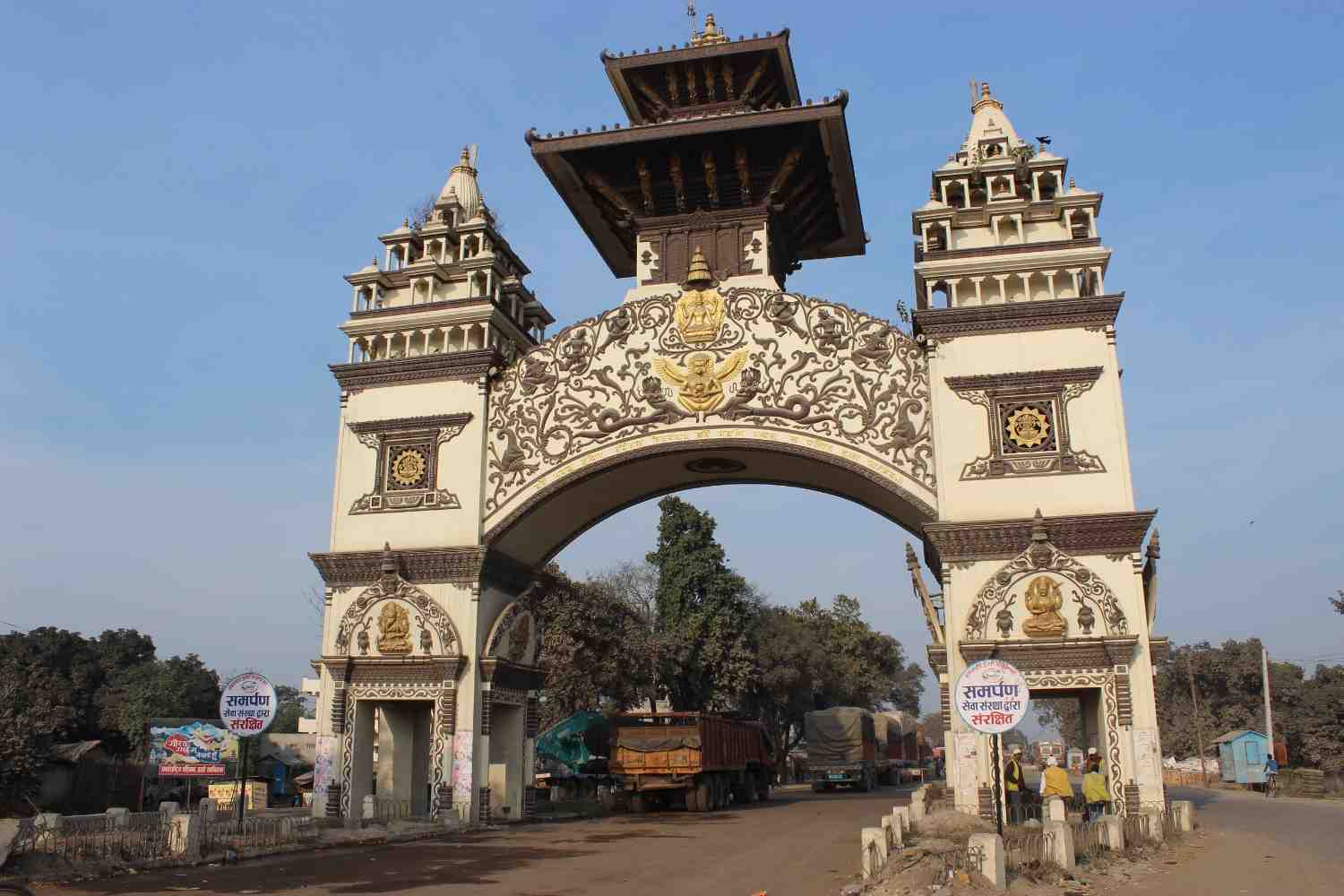
During the first nine months (up to the month of Chaitra) of the current fiscal year, Nepal imported fuel worth Rs 148.16 billion through the Birgunj customs point, the country's main entry point for fuel. From these imports, the government collected Rs 60.38 billion in revenue.
Despite a comparative decline in the import of cooking gas (LPG) and kerosene this year, overall expenditures on fuel imports have increased rather than decreased.
Comparison with the Previous Fiscal Year:
During the same nine-month period in the last fiscal year, fuel imports via Birgunj stood at Rs 140.10 billion, which generated Rs 57.53 billion in revenue.
Breakdown of Imported Fuel (Current Fiscal Year vs. Last Fiscal Year):
• Diesel: Increased to 8,087,000 kiloliters (KL) worth Rs 78.79 billion (up from 7,980,000 KL worth Rs 71.19 billion last year).
• Petrol: Increased to 359,000 KL worth Rs 31.08 billion (up from 326,000 KL worth Rs 28.41 billion last year).
• LPG (Cooking Gas): Decreased to 224.8 million kg worth Rs 23.03 billion (down from 238.2 million kg worth Rs 27.34 billion last year).
• Aviation Fuel: Increased to 141,000 KL worth Rs 14.04 billion (up from 138,000 KL worth Rs 12.59 billion last year).
• Kerosene: Decreased to 4,200 KL worth Rs 370 million (down from 5,160 KL worth Rs 470 million last year). This decline is attributed to the growing adoption of rural and alternative energy sources.
Expert Opinion:
Hari Gautam, President of the Birgunj Chamber of Commerce and Industry, warned that unless alternative energy sources are promoted and the use of electric vehicles (EVs) increases, huge amounts of money will continue to leave the country annually.
"This is a matter of serious concern," Gautam said. "While developed nations around the world have massively increased their use of alternative energy and electric vehicles, it is not a good sign that we are still stuck in the fossil fuel era."